


 How to change a flat tire
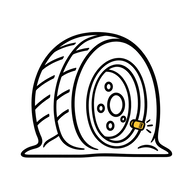 How to check tire pressure and TPMS warnings
 Car pulling to one side
The river, I-91 and the Turnpike
Springfield sits on the east bank of the Connecticut River near where the Westfield, Chicopee and Mill rivers meet. I-91 runs on an elevated structure along the city's river front. On an elevated road, shoulders are narrow and the only exits are the next ramp, so keep going if the car will still roll. Downtown is fairly flat, with an elevation of about 69 feet, and the city gets hillier to the east.
West of the city, the Massachusetts Turnpike, I-90, climbs toward the Berkshires. Its highest point is 1,724 feet at Becket, and there is an eastbound runaway truck ramp in Russell. Heavy trucks coming down those grades, and cars with tired brakes, are a reason to check your brake pads before a trip. The Turnpike is all-electronic, so there are no booths.
Four seasons, one tornado
The climate is humid continental. January averages about 26 degrees and July about 74. Snowfall averages 40.5 inches, which is less than Worcester gets, but ice on the Connecticut River valley's roads makes it dangerous. On June 1, 2011, a tornado with winds over 160 mph struck the city. After storms like that, broken glass and debris cause flats, so learn changing a flat tire yourself and carry a gauge for checking tire pressure. If the spare is a temporary one, see using a spare tire.
Hot, humid days put weight on air conditioning and cooling, so a warm vent is common. Read why the A/C blows warm before paying for a recharge you may not need.
Salt, potholes and the late-winter repair rush
Freeze and thaw cycles crack pavement and bend wheels. If the car pulls hard to one side after a pothole, why a car pulls to one side lists the usual causes, and a shop can check alignment or suspension. A clunk after the same hit is covered in clunk over bumps. Salt also eats exhaust parts, and a loud exhaust before inspection season can mean a failed test.
Cross-border driving and long hauls
Springfield is one of the two metro areas in Massachusetts, the other being Greater Boston, with about 699,000 people in 2020, and the Connecticut state line is about 4 miles south. Many drivers cross it daily for work. If you break down far from home, a long-haul tow costs more per mile, so ask whether the company charges by the mile. A tow back to a shop you trust is sometimes cheaper than a stranger's quote at the roadside.
If your car is towed or blocked
The Springfield Police Department's Records Bureau is the city's contact for information on a towed car, so ask there who towed it and where it is. The state caps for police-ordered tows and storage are on the Massachusetts page. If a private lot towed you, the lot owner needed to forbid parking and notify police first. Cars towed from I-91 or the Turnpike will be held under State Police orders, not by the city.
For a car buried against a curb in snow, a winch-out is the usual answer.
Tires, glass and debris season
Freeze and thaw cycles open potholes in older pavement, and a slow leak is common after a rough winter, so what a flat tire means is a good read before you are on the shoulder. Chips in a windshield spread fast when temperatures swing, and a shop that does auto glass can often fix a small chip before it becomes a crack. After the 2011 tornado, many drivers in the area dealt with damaged cars, and collision repair is worth understanding before you accept an estimate.
Neighbors
Worcester is about 50 miles east, with steeper terrain and more snow, and its own page is here. Boston is farther on, and the Boston page covers its tunnels.
Updated November 25, 2026



